
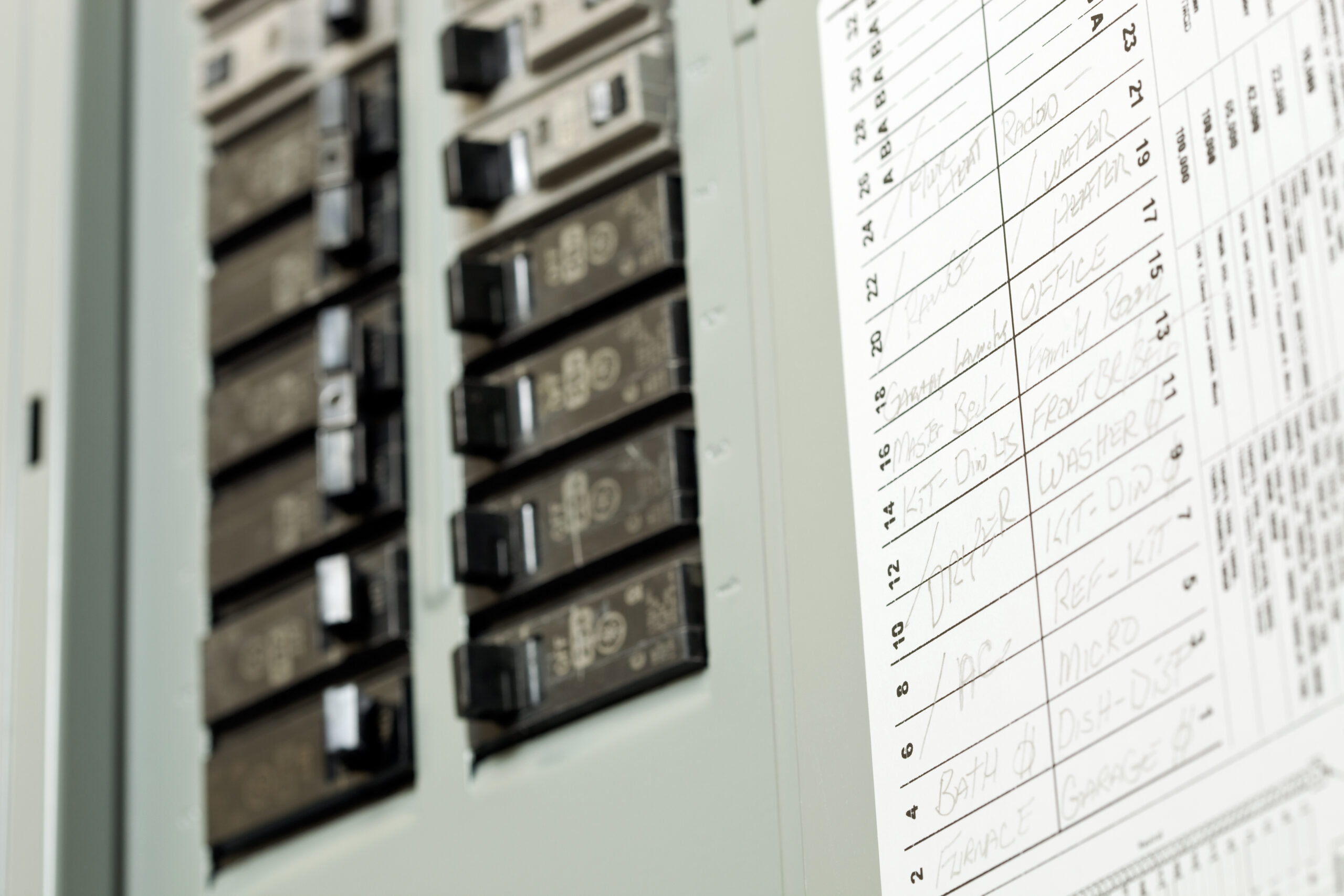
Why Does My Circuit Breaker Keep Tripping in Hot Weather?
Your circuit breaker is your home’s main protection against electrical problems that can harm your appliances or cause property damage. Occasional trips are confirmation that the breaker is working properly. However, when it trips often, especially in hot weather, this signals an underlying problem.
Various factors can cause this, including AC overload, too much ambient heat, and overheating within the panel. To protect your home and electrical infrastructure, it’s important to be aware of where the problem may come from and how to react.
How Heat Affects Your Electrical System
The heat in Gaithersburg, Arlington, Rockville, and Falls Church can push electrical systems toward failure. Electricity stays safe only when conditions are stable, like steady temperatures around 77 degrees Fahrenheit, proper wiring, and dependable appliances.
When temperatures go up, the wires build more resistance because the atoms inside them start vibrating faster. Increased vibration blocks the electrons’ path. The electrical system must work harder to keep power flowing. That strain can create sudden surges that trigger the breaker to trip.
High heat can also cause the metal inside the wiring to expand during the day and contract when temperatures fall at night. This expansion and contraction can loosen connections over time. Loose connections can create arcing or short circuits, which lead to more breaker trips.
Additionally, high temperatures can accelerate the degradation of electrical components. Heat can crack and dry out wire insulation, which reduces its ability to protect the conductor. Without this protection, electricity may jump gaps or touch other wires, leading to arcing or surges. Your circuit breaker automatically responds by tripping to prevent fire and protect the rest of the system.
Heat can weaken older breakers and reduce their ability to handle a normal electrical load. A breaker with exposure to years of high temperatures may trip more easily because its internal parts lose strength. This sensitivity is easier to notice in summer because high heat and heavy electricity use happen at the same time.
Common Reasons Circuit Breakers Trip During Hot Weather
Ambient heat is one of the main reasons why a circuit breaker trips frequently in summer. However, a combination of various conditions often works together and increases the likelihood of a trip.
- High AC demand
- Aging electrical panels
- Direct sunlight hitting the panel
- Faulty breakers
- Home appliances overheating in summer due to high ambient heat
Why Your AC May Be Causing Hot Weather Breaker Tripping
It’s normal to experience longer cooling cycles and higher energy consumption during extreme heat. This happens because the system must work harder to tackle rising indoor temperatures and heavy humidity.
As an AC works harder, it uses more electricity to maintain cooling. This increase in demand can push the circuit to its limit, creating a draw that forces the breaker to trip.
Heat around the outdoor unit can worsen the situation. When the condenser sits in direct sunlight, it struggles to release the heat. This forces it to work harder and consume more power, often leading to a power surge.
Air conditioners work extra hard in summer. Even a small problem can put extra strain on the system. Dirty filters, leaks in ducts, and friction between moving parts can all create conditions that lead to an electrical surge. When the circuit experiences overloading, the breaker responds by tripping to protect the wiring and the equipment.
How to Keep Your Electrical System Safe During Heatwaves
It is important to call a licensed and experienced electrician for an inspection to determine the best way to ensure safety. Your solution will depend on the specific risks your electrical infrastructure is facing.
If you live in an old home with an outdated electrical infrastructure, you should begin with a professional system evaluation. Upgrades may be necessary. Some modern panels and breakers can withstand high summer heat. Their components stay stable at higher temperatures, giving the system stronger protection when demand is heavy.
Modern wires also feature better insulating materials and higher heat ratings. This makes them safer and more durable during extreme heat.
Keep up with routine service and consider upgrading your AC. If you can achieve better AC efficiency with comprehensive maintenance or upgrades, you can reduce strain on the circuit that powers it.
You should also pay attention to the outdoor condenser. Clear space around the unit to help it release heat more effectively. Shade can lower its operating temperature and reduce the heat load on the system.
Reduce electrical demand in your home during peak hours. Many local grids experience the most strain in the afternoon during a heat wave. During this time, use fewer appliances and set your AC thermostat several degrees higher than usual.
Schedule an electrical inspection before summer temperatures peak. An electrician will tighten loose connections and confirm that the panel and breakers are in proper working condition. It’s important to also check for early signs of heat damage, worn insulation, or components that may fail under heavy demand. This preventive step keeps your system stable before temperatures rise and demand increases.
When a Tripping Breaker Signals a Bigger Problem
Occasional circuit breaker trips are normal. Electricity from the grid is not always perfectly stable and may trigger the breaker. You should not reset the breaker without understanding the actual cause. A single trip may be harmless, but ongoing tripping points to a deeper issue that needs professional attention.
If the breaker feels warm or shows any damage (scorch marks, melted plastic, or frayed wires), schedule professional support. Heat inside the panel damages components and reduces the breaker’s ability to function properly. This means your home appliances and devices are at risk because the breaker may fail to protect during a power surge.
Monitor for burning smells or weird sounds from the panel. A burning odor means insulation or wiring is overheating and posing a fire hazard. Buzzing or crackling sounds often indicate arcing, which is a serious electrical danger in a home.
Why It Might Be Time to Upgrade Your Electrical Panel
Frequent circuit breaker tripping can signal you need to upgrade your electrical panel. An undersized or older electrical panel can also struggle to handle the power needs of today’s homes, even when the circuit and appliances are working fine. When a panel can’t distribute power efficiently, it may cause ongoing circuit breaker trips.
Why Professional Electrical Troubleshooting Matters
Professional troubleshooting can pinpoint the real cause behind your breaker tripping in summer. These electrical faults are often hidden and deeper than what homeowners can see on the surface. Only a trained electrician with the right diagnostic tools can diagnose problems accurately.
Schedule Electrical Service With Castro Electrical Services
Don’t let summer heat cause dangerous electrical issues. Schedule an inspection with Castro Electrical Services so our licensed electricians can evaluate your electrical panel, wiring, and lighting before temperatures peak. We provide exceptional quality service, with efficient turnaround times at fair prices.
Contact Castro Electrical Services to schedule an electrical inspection, panel evaluation, or circuit breaker repair services in Gaithersburg, Arlington, Rockville, and Falls Church.