Electrical Safety Month: 7 Overlooked Wiring Dangers That Could Put Your Home at Risk
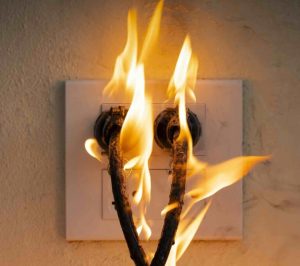
May is Electrical Safety Month, the perfect time of year for homeowners throughout Washington DC, suburban Maryland, and Northern Virginia to take a closer look at the hidden dangers inside their homes. Many electrical hazards develop slowly over time and go unnoticed until they create serious safety issues. These include things like fire, shock, and expensive damage to your wiring and appliances.
Many older homes in Alexandria, Silver Spring, and Arlington are especially vulnerable to electrical problems because they were built many decades ago with outdated electrical components. Many struggle to handle our modern-day power demands. Between powerful thunderstorms, aging wiring, summer heat waves, and increased appliance usage, many homeowners need to stay proactive when it comes to electrical safety. From frayed wiring and overloaded circuits to malfunctioning circuit breakers, there are many hidden dangers you’ll want to look for.
1. Damaged Electrical Cords
One common electrical hazard that a lot of people overlook in their homes is damaged electrical cords. It’s important to inspect them for exposed conductors, bent prongs, cracked insulation, and even frayed wires. All of these can create serious fire and shock risks. Just because a device still appears functional doesn’t mean the damaged cord is safe to use.
This turns into an even bigger problem when homeowners permanently rely on extension cords instead of upgrading their electrical systems to better meet their needs. Extension cords that run behind furniture, under rugs, or even in your entertainment center are all prone to overheating. When they overheat, this can damage the insulation and expose the wiring. This can increase your risk of an electrical fire. If you’re relying on extension cords, it’s best to have an electrician add more outlets to your home for optimal safety.
2. Overloaded Electrical Circuits
Another big issue is overloaded electrical circuits. Household electrical circuits can become overloaded when too many devices run on the same circuit at once. This is very common throughout Rockville, Fairfax, Washington DC, and Alexandria, where homeowners are using a huge mix of gaming systems, multiple computers, kitchen appliances, and even portable HVAC equipment.
- Frequently tripped breakers
- Flickering or dimming lights
- Buzzing outlets or switches
- Warm wall plates
- Burning odors near outlets
- Appliances losing power unexpectedly
Many homes built before the 1980s were equipped with only 60- to 100-amp electrical service, while many modern homes now require 200-amp service to support increased electrical demand. Trying to run modern electronics, HVAC equipment, and other high-demand devices can easily overload electrical circuits. It’s often necessary to upgrade to a 200-amp electrical panel to better accommodate your modern-day demands.
3. Loose Wiring Connections
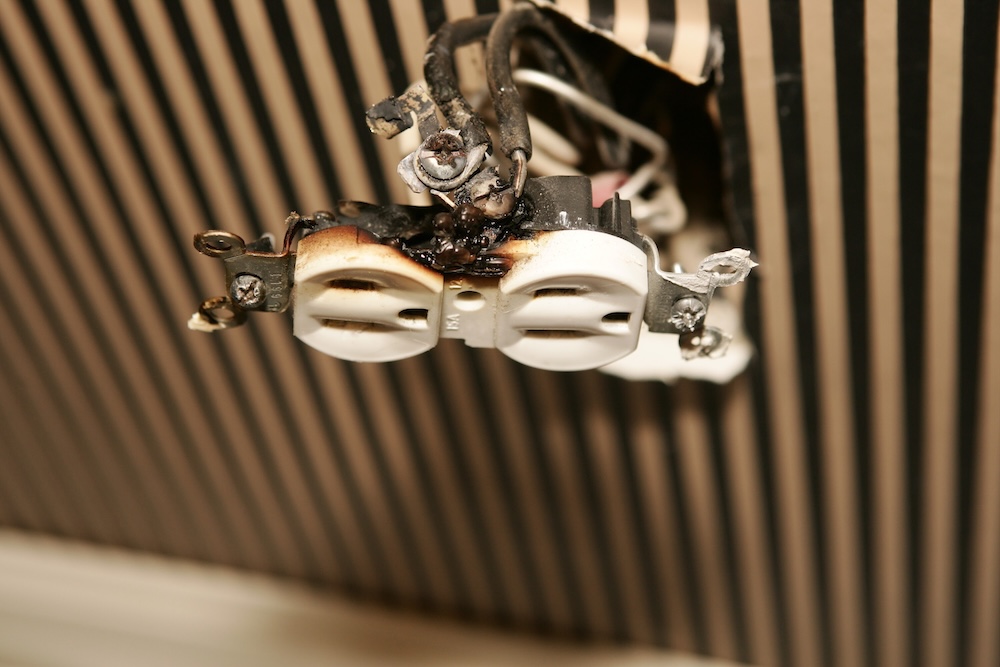
Over time, wiring can loosen from your electrical outlets, light switches, and other connections. This happens because of aging materials, vibrations, home settling, and even improper installations. This creates a major fire risk because unstable connections can generate arcing and excessive heat. Many homeowners throughout Northern Virginia and Maryland never realize they have loose wiring until they start to notice unusual electrical behavior in their homes.
Electrical arcing happens when electricity jumps through gaps between loose connections. These arcs generate intense heat that can ignite surrounding building materials. In some cases of loose electrical wiring, you may hear a faint buzzing sound coming from your switches or outlets before a more serious problem develops. Routine electrical inspections can help identify loose connections before they cause major damage.
4. Aging Electrical Panels
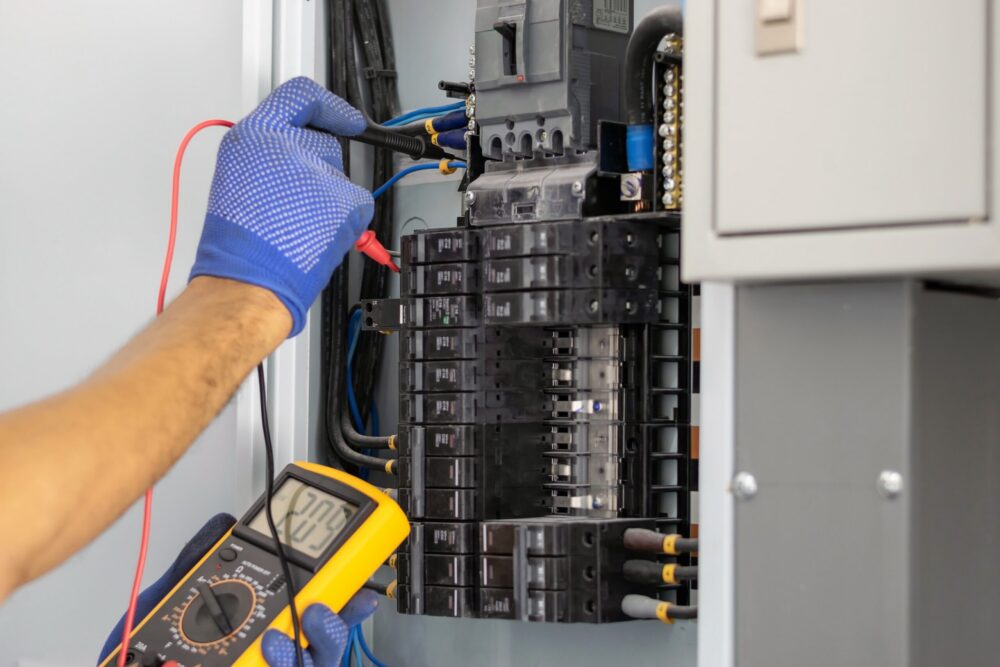
Many homes throughout the Washington DC, metro area still contain outdated electrical panels that no longer meet modern electrical codes. Your panel box is responsible for safely distributing power throughout your home and shutting off your circuits in the event of a dangerous overload. If you have a damaged or outdated panel, it may fail to properly trip your circuit breakers. This can increase the risk of overheating and electrical fires throughout your home.
- Rust or corrosion around the panel
- Frequent breaker trips
- Burn marks or discoloration
- Buzzing sounds
- Warm breakers
- Flickering lights throughout the home
- Lack of available breaker space
5. Outdoor Electrical Hazards
The Washington DC, metro area experiences severe weather patterns. Heavy rain, thunderstorms, snow, humidity, and fluctuating seasonal temperatures can all damage exterior electrical components over time. Landscape lighting, pool equipment, outdoor outlets, and exterior wiring systems can all suffer moisture intrusion when their weatherproof covers or insulation become damaged.
Additionally, mature trees throughout Arlington, Chevy Chase, and McLean can lead to falling limbs during severe storms. This can damage your exterior electrical equipment. Inspecting your property after major storms can help you catch these hazards early. Damaged outdoor wiring can also create hidden shock risks for unsuspecting homeowners.
6. Faulty Outlets and Switches
Throughout many older homes in DC and Northern Virginia, electrical systems lack proper grounding. Many don’t even have ground fault circuit interrupters (GFCI) and arc fault circuit interrupters (AFCI). These devices work to detect problems with your electrical circuits and automatically shut them off to prevent hazards like electrical shock and fires. They’re especially important to have in rooms like bathrooms, kitchens, garages, and outdoor areas where moisture exposure increases the risk of shock.
If your home lacks adequate GFCI or AFCI protection, upgrading your electrical system is strongly recommended. If your outlets spark or show discoloration, dangerous electrical activity may already be occurring. If you notice loose plugs, crackling sounds, or hot outlets, it’s best to seek prompt electrical assistance. Even intermittent power loss or a burning odor coming from your light switch is a cause for concern.
7. DIY Electrical Repairs
Decades ago, it was common for many homeowners to try to save money by doing DIY electrical repairs. Unfortunately, this led to a lot of improper electrical work that can be extremely dangerous and pose a long-term hazard to your home. Even minor wiring mistakes can lead to overheating and hidden fire hazards. Most DIY electrical work simply doesn’t meet modern code requirements and safety standards. If you suspect that you have any DIY wiring in your home, it’s important to have one of our electricians repair it sooner rather than later.
Schedule Professional Electrical Repair Service Today!
Whenever you experience an electrical hazard at your home, it’s important to seek out professional assistance. You should never ignore electrical issues because they can lead to serious shock hazards and electrical fires.
Simply contact us at Castro Electrical Services today to schedule a prompt electrical safety inspection in the Washington DC metro area.