Do I Need an Electrical Panel Upgrade for New Appliances?
A new appliance can make life more convenient, but it also places new demands on your home’s electrical system. Many focus on the appliance itself and assume installation is as simple as plugging it in or connecting it to an existing circuit. However, modern appliances often require more power than older equipment, and some homes were never designed to support today’s electrical demands. New appliances can place additional strain on an older electrical panel. Before installing new equipment, you must understand whether your system can safely handle the load.
Why New Appliances Affect Your Electrical Panel
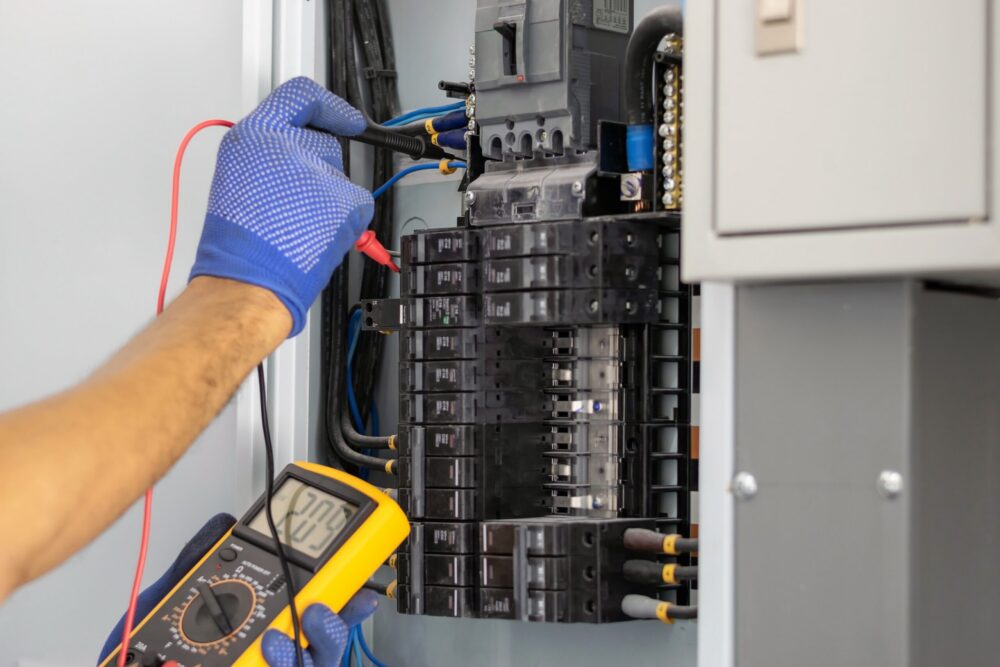
Every appliance in your home pulls electricity from your electrical panel. The panel then distributes power through individual circuits while protecting the system from overloads. Larger appliances tend to require a significant amount of power to operate safely and efficiently.
Proper installation involves more than using any available breaker. Our team needs to consider amperage requirements and proper breaker sizing. We also evaluate wiring capacity and your home’s electrical load. Even if a panel appears to have room for another circuit, the demand may already be approaching your system’s limits.
Signs Your Panel May Be Struggling
Electrical panels provide warnings when they struggle to handle household demand. Recognizing these symptoms early helps to prevent larger electrical problems in the future. Frequent breaker trips mean your circuits are carrying more load than they should. While occasional trips can happen, repeated interruptions require professional evaluation.
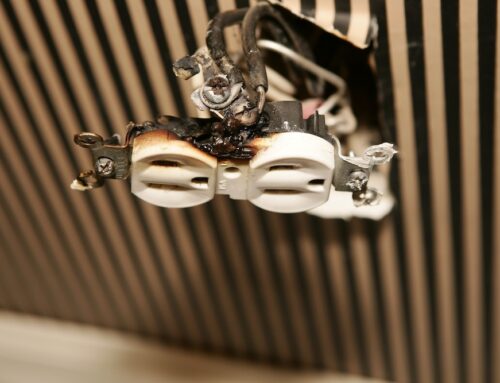
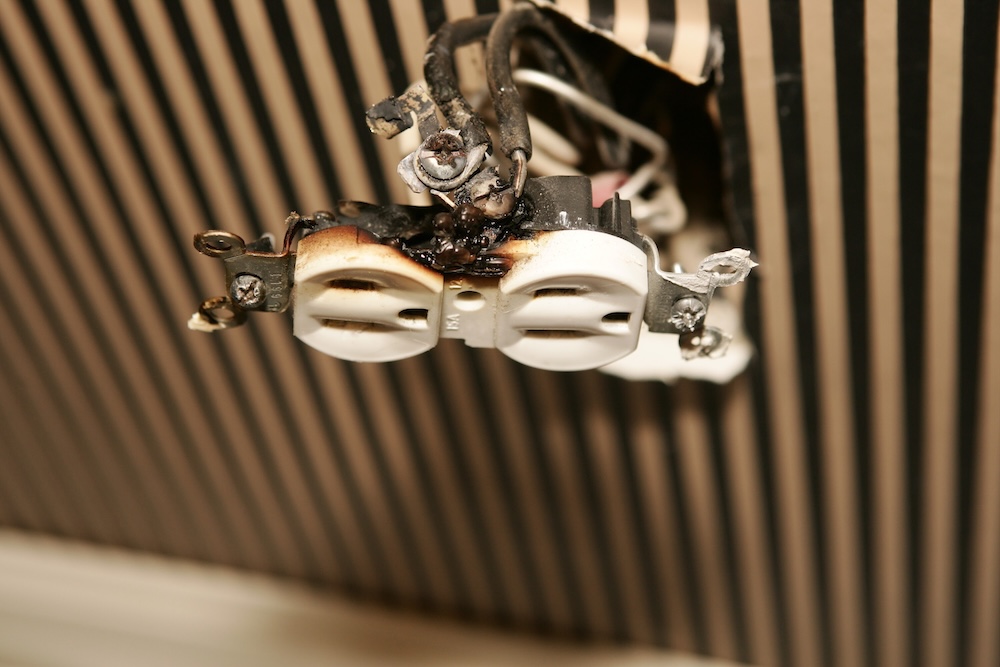
Dimming or flickering lights indicate electrical capacity issues. You may notice lights flickering when larger appliances start running. Warm breakers or heat around the panel could reveal excessive heat from an overloaded circuit or a failing component. Buzzing sounds can indicate loose connections or electrical problems.
Limited breaker space can also create challenges. If the panel is full, adding new circuits becomes more difficult. Equipment that struggles to operate properly may not always be an issue with the appliance. Sometimes, the electrical system itself cannot provide adequate power.
Some Appliances Need Dedicated Circuits
Not every new appliance requires a complete electrical panel upgrade. In many cases, a dedicated circuit provides the necessary solution. Dedicated circuits serve a single appliance and prevent that equipment from sharing power with other devices. This will help to reduce the chance of overloads and improve overall safety.
Several common household appliances require dedicated circuits. Appliances that often require this will include electric ranges, clothes dryers, dishwashers, microwaves, refrigerators, water heaters, sump pumps, and HVAC equipment. Installing a dedicated circuit may resolve electrical concerns without major panel modifications. However, we still need to verify that the panel has sufficient capacity to support the additional load.
Open Breaker Space Does Not Always Mean Enough Capacity
You may look at your electrical panel and assume an empty breaker slot means you have room for additional appliances. Unfortunately, breaker space and electrical capacity are not the same thing. An available slot simply provides a location where you can install a breaker. It does not automatically mean the panel can safely support additional electrical demand.
The total amperage available to the home determines how much electricity the system will be able to deliver. Even with unused breakers, the panel may be operating near capacity. We will perform load calculations to help determine whether your system can handle additional demand or if you need a panel upgrade.
Older Gaithersburg Homes May Need Closer Evaluation
Many older homes in Gaithersburg were built long before today’s electrical demands became common. The original systems often supported fewer appliances and significantly lower power consumption. Older panels may provide lower amperage service than modern households require. Some homes still rely on electrical equipment that predates current safety standards.
Outdated wiring can create additional challenges. An older conductor may limit expansion options or require upgrades to support newer appliances safely. Remodeling projects often expose these limitations: Upgrading your kitchen and main living space can increase electrical demand beyond what the original system can accommodate.
The Type of Appliance Matters
Different appliances tend to place very different demands on an electrical system. When you understand these differences, you can anticipate potential upgrade requirements. Smaller appliances generally consume less electricity and create fewer concerns. Refrigerators, microwaves, and dishwashers often require dedicated circuits but may not dramatically increase overall electrical demand.
High-demand appliances present a different situation. Electric ranges draw significant power during operation. Electric dryers often require larger circuits than many other household appliances. Tankless water heaters can create especially high electrical demands because they heat water instantly rather than storing heated water in a tank.
Heat pumps and modern HVAC systems also increase electrical usage. Electric vehicle chargers represent another rapidly growing source of residential electrical demand. As you add multiple high-demand appliances, the need to upgrade panel capacity becomes more likely. It also future-proofs your home for additions down the line, and makes it more attractive to prospective buyers when you’re preparing to sell.
A Subpanel May Be an Option
Sometimes you need additional circuit space but do not require a complete service upgrade. In these situations, a subpanel may provide a practical solution. A subpanel expands the number of available circuits while drawing power from the main electrical panel. This arrangement can work well when the primary service still has sufficient capacity.
Subpanels tend to benefit home additions, finished basements, detached garages, workshops, or areas containing multiple appliances. They will help to organize electrical distribution and provide room for future expansion. However, a subpanel does not increase the home’s total electrical capacity. If the main service lacks sufficient amperage, a subpanel alone will not solve the problem.
When a Full Panel Upgrade Makes Sense
Certain situations make an electrical panel upgrade the most practical long-term solution. Outdated panels lack the capacity needed for modern electrical demands. Some older systems may no longer meet current safety expectations or provide adequate room for expansion.
Overloaded panels tend to experience recurring breaker trips, inconsistent performance, and other operational issues. Continuing to add electrical loads to your home without addressing the capacity problem will increase safety risks. Damaged panels will also require replacement to avoid compromising the reliability and safety of your electrical system.
If you are planning significant upgrades, a proactive approach can be your best friend. Installing new appliances, adding EV chargers, or completing major renovations will help justify upgrading your panel capacity now rather than later. A properly sized panel helps to create more flexibility for future improvements while supporting safer operation throughout the home.
Why Professional Load Calculations Matter
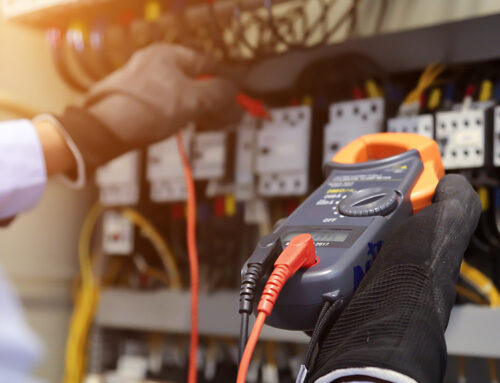
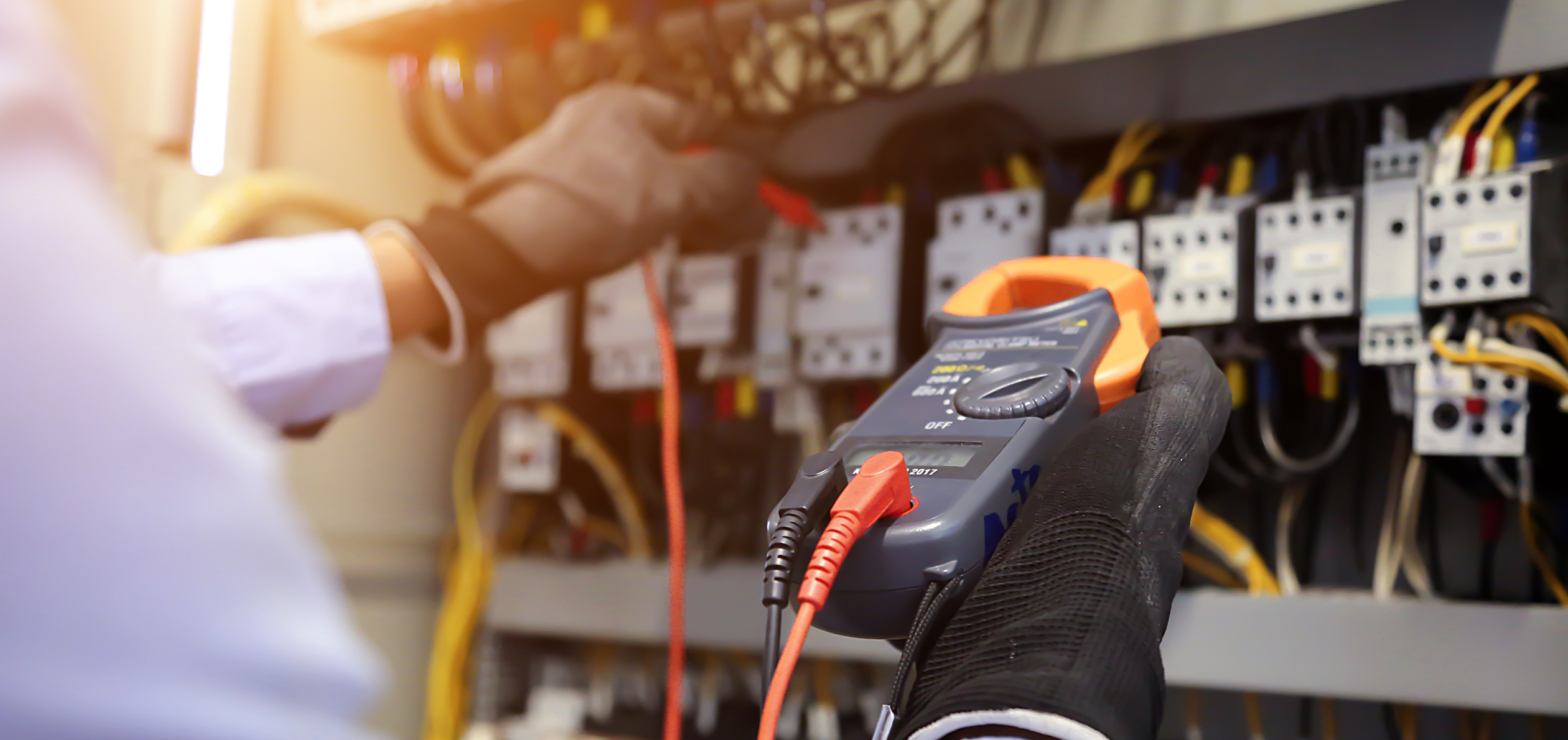
Professional load calculations provide the information that is necessary for you to make informed decisions. We review appliance specifications, existing electrical demand, panel ratings, wiring conditions, breaker sizing, grounding systems, and service capacity.
Load calculations help identify any problems before installation begins. They also prevent unnecessary upgrades when simpler solutions are available. By understanding current usage and future plans, our team can recommend solutions that support long-term safety and reliability.
Schedule Electrical Panel Service With Castro Electrical
Adding a new appliance does not automatically mean you need an electrical panel upgrade, but it does create an opportunity to evaluate your home’s electrical capacity. Depending on the situation, the right solution may involve a dedicated circuit, a subpanel, or a decision on the panel capacity for future growth. Castro Electrical Services has been supporting the modern electrical needs of the Gaithersburg area since 2011.
Contact Castro Electrical Services to schedule a professional electrical panel evaluation before adding your next major appliance.