
Why Is My Home So Humid Even With the AC On?
Does your home feel damp and sticky even though the AC is running constantly? High indoor humidity is a common problem that indicates something isn’t quite right with your home comfort system.
While your air conditioner’s primary job is to cool the air, it also plays a crucial role in removing moisture. When this function is compromised, you end up with uncomfortable, humid air that can also lead to other issues like mold growth and poor indoor air quality.
What Your AC Is Supposed to Do With Humidity
To understand why your home is humid, it is helpful to know how your air conditioner is designed to remove moisture. The process happens at the indoor unit’s evaporator coil. This coil is filled with cold refrigerant that chills the metal fins, making them much colder than the surrounding air. When your system’s blower fan pulls warm, humid air from your home across this frigid coil, two things happen.
First, the air is cooled as it passes over the fins. Second, the moisture in the air condenses onto the coil’s surface. This collected water then drips down into a condensate pan and is drained away outside your home. The result is air that is both cooler and drier.
Your AC needs to run for a consistent period for the evaporator coil to get cold enough to condense a significant amount of moisture. If the cooling cycle is too short, the air gets cooled, but the coil doesn’t have enough time to effectively remove the humidity.
Your AC May Be the Wrong Size
One of the most common culprits behind a humid home is an improperly-sized air conditioner. An oversized AC unit will cool your home very quickly, but it leads to a problem called “short cycling.”
During a short cycle, the system blasts cold air, satisfies the thermostat’s temperature setting in just a few minutes, and then shuts off. Because the cycles are so brief, the evaporator coil never runs long enough to pull significant amounts of moisture from the air, leaving you feeling cool but clammy.
On the other hand, an undersized air conditioner presents a different set of challenges. This unit will struggle to keep up with your home’s cooling demands on hot days, running almost constantly without ever reaching the desired temperature.
Airflow Problems Can Limit Dehumidification
Effective dehumidification depends on a steady, strong flow of air across the evaporator coil. Anything that restricts this airflow can leave excess moisture circulating in your home. Several issues can cause this.
A clogged air filter is the most frequent offender. When a filter is packed with dust and debris, it forces the blower fan to work much harder to pull air through, drastically reducing airflow. This starves the evaporator coil of the warm, humid air it needs to process.
Similarly, a dirty evaporator coil can’t function properly. A layer of grime acts as an insulator, preventing the coil from efficiently absorbing heat and condensing moisture. Blower motor problems can also be to blame; a failing motor may not spin at the correct speed, leading to weak airflow.
The Humidity May Be Entering Faster Than the AC Can Remove It
Sometimes the problem isn’t with your air conditioner at all, but with your home. Your AC might be fighting a losing battle against a constant influx of moisture from outside sources. This is especially true in homes that are not well-sealed.
Air leaks around windows, doors, and utility penetrations can allow warm, humid outdoor air to infiltrate your home, working against your AC’s efforts. A damp basement or crawl space is another major source of moisture that can seep into the rest of the house. Everyday activities also contribute to indoor humidity. Cooking, showering, and even breathing add moisture to the air, and if your kitchen and bathrooms aren’t equipped with effective exhaust fans, this humidity gets trapped inside.
Ventilation Can Help or Hurt Indoor Humidity
Bringing fresh air into your home is important for maintaining good indoor air quality, but it can be a double-edged sword when it comes to humidity. Simply opening windows or using a standard ventilation system on a humid day will introduce more moisture than your AC can handle, making your home feel muggy.
However, properly designed ventilation can improve comfort. Modern solutions like an Energy Recovery Ventilator (ERV) are designed to solve this exact problem. An ERV brings in fresh outdoor air while simultaneously exhausting stale indoor air, and during this exchange, it transfers heat and moisture between the two airstreams.
In the summer, an ERV pre-cools and dehumidifies the incoming fresh air, reducing the load on your air conditioner. Castro Electrical Services offers ERV solutions as part of our comprehensive indoor air quality services, ensuring you get fresh air without sacrificing comfort.
Is the Problem Your AC or the House?
Figuring out the source of your humidity problem can be tricky, but there are a few key signs to help narrow it down.
- Short Cycling: AC turns on and off in short bursts
- Weak Airflow: Low or weak airflow from vents
- Localized Humidity: Dampness in specific areas or rooms
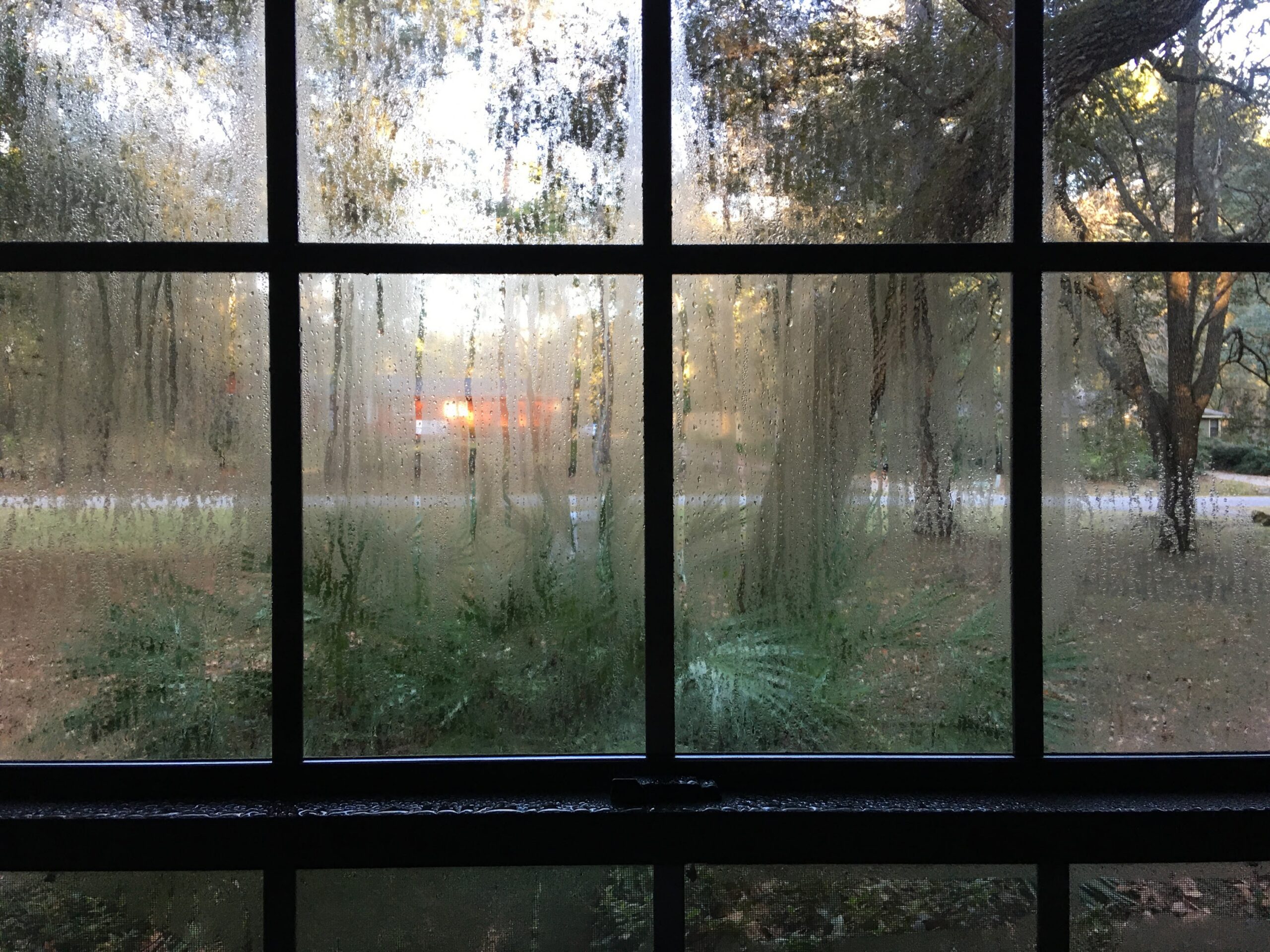
- Condensation: Moisture collecting on windows and pipes
When AC Repair or Replacement May Solve the Problem
If the signs point toward your cooling system, a professional diagnosis is the next step. Several common AC malfunctions can directly impact its ability to dehumidify. For example, a system with low refrigerant won’t be able to cool the evaporator coil sufficiently, hampering condensation. Our technicians are experienced in pinpointing these types of issues, and professional air conditioning repair can often restore your system’s performance.
At Castro Electrical Services, we often find that persistent humidity is one of the first signs that an older HVAC system is beginning to fail. As components wear out, the unit loses its efficiency and effectiveness. If your system is over 15 years old or constantly needs repairs, a replacement may be the more cost-effective solution.
A new, correctly-sized air conditioner installation will not only solve your humidity problem but also improve your home’s energy efficiency. Modern HVAC systems are far better at managing both temperature and humidity, providing superior comfort.
When a Whole-Home Dehumidifier Makes More Sense
In some cases, an air conditioner alone, even one that is working perfectly, can’t handle the high humidity levels common in our region. If your AC is properly sized and in good working order but your home still feels damp, the best solution may be a dedicated whole-home dehumidifier. This appliance integrates directly with your existing HVAC system to provide targeted moisture control.
A whole-home dehumidifier works independently of your air conditioner, monitoring your home’s humidity levels and removing excess moisture as needed. This is particularly beneficial during milder, damp days when you don’t need cooling but still want to reduce stickiness in the air. It gives you precise control over your indoor environment, ensuring comfort year-round. Castro Electrical Services installs and maintains these advanced dehumidification systems, offering a permanent solution for homes with chronic humidity issues.
Solve the Moisture Problem, Not Just the Temperature
True home comfort is about more than just the number on the thermostat; it’s about creating a balanced indoor environment. High humidity makes you feel uncomfortable and can negatively affect your home and your health. Whether the cause is an improperly-sized AC, restricted airflow, or moisture intrusion, ignoring the problem won’t make it go away.
Finding the right solution requires a thorough understanding of how your cooling, ventilation, and home envelope work together. The team at Castro Electrical Services has the expertise to diagnose the root cause of your humidity issues and recommend the most effective solution for your specific situation. Don’t settle for a cold and clammy home.
If you’re ready to achieve true comfort, contact us today to schedule a consultation.