Dark Front Steps as Days Get Shorter? Motion-Sensor vs. Dusk-to-Dawn Lighting
Shorter days can make front steps harder to see at night and during busy after-work arrivals. Shaded walkways and older fixtures can make the problem worse around Washington, D.C. homes. Uneven steps also become harder to judge when light falls unevenly across the entry during wet or leaf-covered conditions. Motion-sensor and dusk-to-dawn lighting can both improve visibility, but they serve different needs.
Why Are Dark Front Steps a Safety Problem?
Dark steps can hide edges, packages, leaves, or other obstacles near the entrance. Guests may also be unfamiliar with each step’s shape, height, or surface. Limited visibility can make railings and walkways harder to use after sunset. Better lighting helps people see where they are stepping before reaching the door.
Entry lighting also matters during package deliveries, evening arrivals, early departures, and visits from unfamiliar guests. A bright fixture can still create glare or deep shadows when poorly placed. Good placement should illuminate walking surfaces without shining directly into someone’s eyes. That balance matters on narrow porches, covered entries, and shaded paths.
Motion-Sensor Lighting vs. Dusk-to-Dawn Lighting
Both options automate exterior lighting without requiring you to flip a switch each evening. Motion-sensor fixtures turn on when the sensor detects movement in the selected area. Dusk-to-dawn fixtures use a light sensor to respond to changing outdoor brightness. The better choice depends on how and when your entryway needs light.
How Motion-Sensor Lights Work Best
Motion-sensor lights work best where you mainly need light during arrivals and departures. They can brighten steps as residents, guests, or delivery workers approach the entrance. Sensor range matters because nearby sidewalks or traffic can trigger poorly positioned fixtures. An electrician can help choose suitable outdoor lighting and aim it to cover the area.
How Dusk-to-Dawn Lights Work Best
Dusk-to-dawn lighting is useful when the entry should remain visible throughout the night. The fixture turns on as outdoor light fades and turns off after daylight returns. Steady illumination can help with late visitors, early departures, and frequent evening foot traffic. Proper aiming still matters because constant glare can bother residents or neighbors.
Which Lighting Option Is Better for Your Front Steps?
There is no single best choice for every front entrance. Start by considering how often people use the steps after dark. Then think about the entry layout, nearby walkways, and existing electrical connections. Some homes may benefit from steady background light combined with motion-activated lighting.
- Step visibility
- Guest access
- Package deliveries
- Glare control
- Fixture placement
- Bulb brightness
- Power source
- Sensor range
- All-night lighting needs
Motion lighting often makes sense when light is needed only during activity near the entrance. Dusk-to-dawn lighting may suit homes that need consistent visibility from evening through morning. Busy entries can require a different approach than rarely used side steps. An electrician can help match the fixture type to the actual traffic pattern.
Where Should Front Step Lighting Be Installed?
Front step lighting should illuminate the walking path before someone reaches each change in elevation. Fixtures near doors, railings, walls, or covered porch areas can provide useful coverage. Placement should reflect how people approach from the sidewalk, driveway, parking area, or adjoining walkway. The design should also avoid creating dark gaps between bright fixtures.
Avoiding Shadows on Stairs, Railings, and Walkways
Shadows can hide stair edges even when a nearby fixture is working. Railings, porch columns, and landscaping can block light from certain angles. Multiple smaller light sources may provide more even coverage than one intense fixture. Aiming light downward can also keep it focused on steps and walkways.
Choosing Outlets, Wiring, or Hardwired Fixtures Safely
Exterior lighting may use existing circuits, approved outdoor outlets, or new hardwired connections. New outlets or switches should suit their location and intended use. Hardwired fixtures may require new electrical wiring behind walls or exterior surfaces. A licensed electrician can confirm that circuits, boxes, and fixtures are appropriate.
What Electrical Problems Should Be Fixed Before Adding Exterior Lights?
Existing electrical problems should be addressed before adding more exterior fixtures. Flickering lights, damaged covers, loose fixtures, or dead outlets may signal an issue that needs diagnosis. Moisture around electrical equipment is another reason to schedule professional service. An electrical safety inspection can identify concerns before new lighting is installed.
The existing circuit should also be suitable for the planned fixture and control type. Older exterior boxes or wiring may need repair before they can support new lighting. Adding equipment without checking the current setup can create avoidable performance problems. The correct solution depends on what an electrician finds during the evaluation.
Loose Fixtures, Flickering Lights, and Damaged Outdoor Wiring
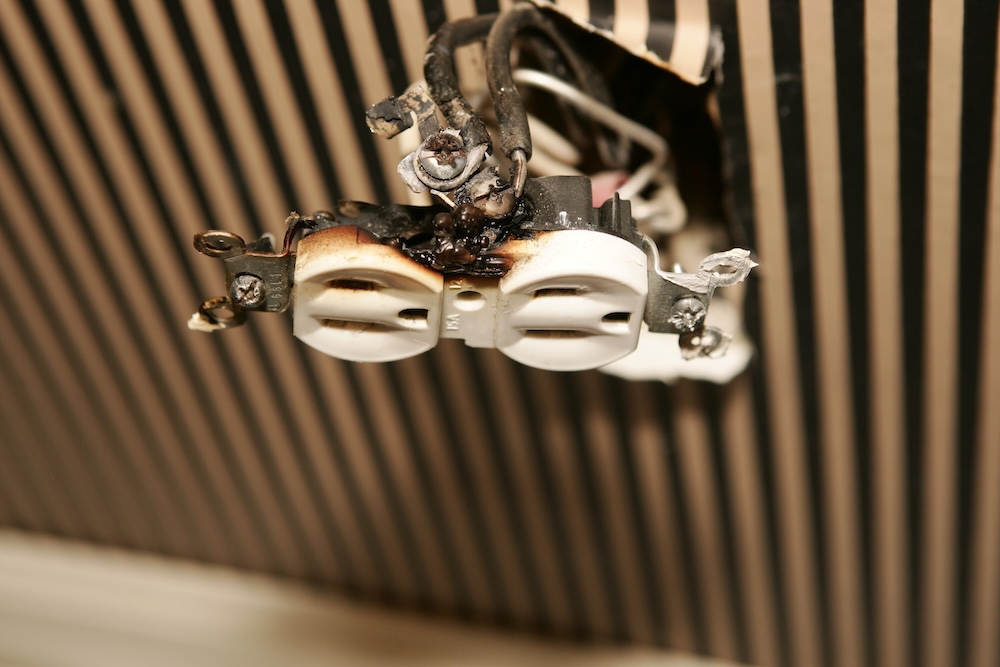
A loose exterior fixture can expose connections to moisture or movement over time. Flickering can come from a failing bulb, a loose connection, a fixture problem, or a circuit issue. Homeowners should not handle cracked insulation or damaged wiring. Professional electrical repair and troubleshooting can identify the source before you add new fixtures.
Stop using a fixture if it produces smoke, a burning odor, or visible sparking. Those symptoms need prompt professional attention, not continued testing. Also evaluate intermittent operation before starting installation work. Repairing the underlying issue first creates a better foundation for dependable exterior lighting.
When Should You Call an Electrician for Entryway Lighting?
Professional help makes sense for hardwired fixtures, new circuits, switches, or exterior outlets. An electrician can also help when existing lighting behaves inconsistently or shows damage. Homes with older exterior wiring may benefit from an evaluation before adding new equipment. This is especially useful when the preferred fixture location has no existing power source.
Professional guidance can also help when glare, shadows, or sensor range are difficult to balance. The issue may involve placement rather than the fixture itself. An electrician can review the entry layout and electrical options together. That approach helps create lighting that supports visibility without unnecessary complexity.
Make Your Front Steps Safer With Castro Electrical Services
Motion-sensor and dusk-to-dawn lighting can both make dark front steps easier to navigate. The right choice depends on traffic, placement, glare, and how long you need light. Also consider existing electrical conditions before installation begins. A thoughtful setup can make the entry easier to use throughout shorter days.
Castro Electrical Services can evaluate entryway lighting needs throughout the Washington, D.C. area. We can review fixture placement, existing wiring, outlets, and any electrical concerns that affect the project. Our electricians can recommend an installation approach based on your home’s layout. That keeps the decision focused on safety, visibility, and practical use.
Contact Castro Electrical Services for professional entryway lighting installation in the Washington, D.C. area.