Can Your Microwave and Air Fryer Share a Circuit? Preparing for Holiday Cooking
You’re warming food in the microwave while the air fryer crisps appetizers for guests. Suddenly, the kitchen loses power. Both appliances may share one breaker, even when they plug into different outlets. Running them together can overload that circuit if their combined electrical demand exceeds its capacity.
DC metro area homeowners can avoid many cooking interruptions by checking appliance labels and understanding kitchen wiring. Start with the power each appliance needs, then consider everything else using the same circuit. A little planning can make a busy cooking day easier.
How Much Electricity Do Microwaves and Air Fryers Use?
Microwaves often advertise cooking watts, but that number doesn’t show their full electrical demand. A microwave rated at 1,000 cooking watts might draw 1,500 watts from the outlet. The actual input varies by model, so check its rating label or manual. Look for input watts or amps, not just the cooking output.
Many air fryers use about 1,200 to 1,800 watts while heating. A 1,500-watt air fryer and a 1,400-watt microwave create a combined 2,900-watt load. That’s before counting another device connected to the circuit. Appliance nameplates give you a better starting point than estimates from similar models.
Can a Microwave and Air Fryer Run on the Same Circuit?
At 120 volts, a 15-amp circuit has a nominal capacity of 1,800 watts. A 20-amp circuit has a nominal capacity of 2,400 watts. Two high-wattage appliances can exceed either rating when running together. The circuit’s other connected devices also draw from that available capacity.
Separate wall outlets don’t necessarily mean separate circuits. Several kitchen receptacles can connect to one breaker, even across different countertop sections. Older renovations may leave confusing outlet layouts or breaker labels. An electrician can identify which outlets share a circuit and evaluate its actual load.
- Breaker rating and circuit capacity
- Each appliance’s electrical input
- Other devices sharing the circuit
- Manufacturer connection requirements
- Wiring condition and outlet placement
Why Are Kitchen Circuits More Likely to Overload During the Holidays?
Holiday cooking often involves more appliances than used in an ordinary dinner. A coffee maker brews while a toaster oven reheats rolls. Someone might plug in an electric griddle as a slow cooker finishes a side dish. Several modest changes to the menu can create a much larger electrical load.
The problem becomes less obvious when guests use outlets away from the main cooking area. Those outlets may still connect to the same branch circuit. Older DC metro area homes may have fewer kitchen circuits than newer layouts. Even updated kitchens deserve a closer look when several heating appliances operate together.
What Are the Warning Signs of an Overloaded Kitchen Circuit?
A breaker that trips whenever two appliances start together may indicate an overload. Lights that dim or flicker during cooking can signal an electrical concern. However, neither symptom identifies the cause by itself. Loose connections or equipment faults can produce similar warning signs.
Take warm outlets, buzzing sounds, discolored receptacles, and burning odors seriously. Stop using the affected equipment, and avoid repeatedly resetting a tripped breaker. If you notice smoke or fire, leave the area and call emergency services. Otherwise, arrange professional electrical repair and troubleshooting before using that circuit again.
How to Prevent Kitchen Circuit Overloads While Cooking
Plan the cooking sequence before everyone gathers in the kitchen. Heat appetizers in the air fryer, then use the microwave afterward if they share a circuit. Keep other high-wattage appliances off that circuit during either task. Staggering cooking times is often simpler than rearranging the entire counter.
Plug countertop cooking appliances directly into suitable wall outlets, following their manufacturers’ instructions. Avoid extension cords and power strips for these high-demand devices. Moving a plug across the kitchen only helps when that outlet uses a suitable separate circuit. If you cannot confirm the wiring, ask an electrician before depending on the arrangement.
Do You Need Dedicated Circuits for Kitchen Appliances?
A dedicated circuit supplies one appliance instead of serving several general-use receptacles. By contrast, small-appliance branch circuits commonly supply multiple kitchen countertop outlets. Some microwaves, particularly built-in models, require dedicated circuits under their installation instructions. Your electrician should review the exact model requirements before adding equipment.
Newer kitchen installations also call for GFCI protection under applicable electrical codes. These devices help protect against electric shock, but they don’t increase a circuit’s wattage capacity. Adding outlets through outlet installation doesn’t automatically add electrical capacity either. An electrician can determine whether a new branch circuit would better support your cooking setup.
When Should You Schedule an Electrical Inspection Before Holiday Hosting?
Book an evaluation if breakers trip often or your kitchen has too few usable outlets. Older wiring deserves attention when you start using more powerful appliances. Planning a built-in microwave or major kitchen update is another good reason. Don’t wait until guests arrive to investigate a recurring electrical problem.
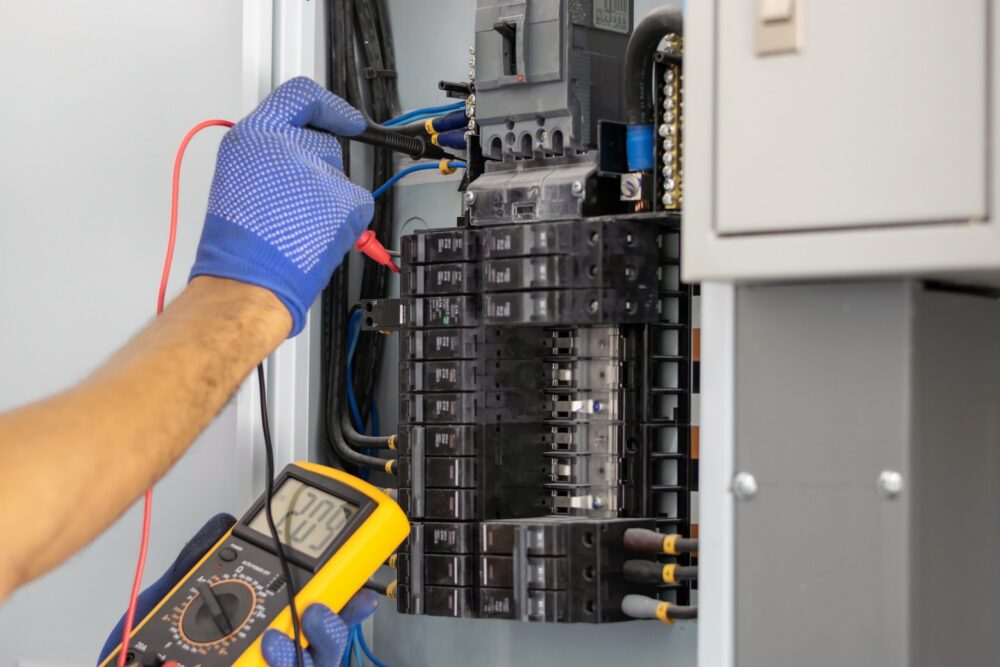
A professional electrical safety inspection can assess circuit loads, connections, wiring condition, and panel capacity. The findings help identify needed work without guessing from appliance size alone. Some kitchens need only another correctly sized branch circuit. Others may benefit from electrical panel upgrades if existing capacity or panel condition presents a limitation.
Prepare Your Kitchen for Holiday Cooking With Castro Electrical
Two powerful countertop appliances can make meal preparation convenient, but a shared circuit has limits. Check their input ratings and avoid stacking heavy loads on one breaker. Watch for warning signs instead of assuming a tripped breaker is harmless. When the electrical layout is unclear, a professional assessment can guide your next move.
Castro Electrical Services helps DC metro area homeowners evaluate wiring, address electrical problems, and plan kitchen improvements. Our electricians can review appliance needs and recommend changes based on your existing electrical system. We help you understand whether a new circuit or another electrical service fits your goals.
For kitchen circuit evaluations and electrical safety inspections in the DC metro area, contact Castro Electrical Services today.
Kitchen Electrical Circuit FAQs
Wondering whether your microwave and air fryer can run at the same time? The answers below explain circuit capacity, why separate outlets may share power, and what a tripped breaker could signal. Use these answers to recognize potential electrical issues before your next holiday gathering.
Can a 1,500-watt air fryer and a microwave run on a 20-amp circuit?
Usually, not at the same time. A 20-amp, 120-volt circuit has a nominal rating of 2,400 watts. A microwave drawing 1,400 watts would push the combined demand to 2,900 watts.
Are two kitchen outlets always connected to different circuits?
No, several receptacles may share one breaker. Their physical distance doesn’t reveal how the wiring connects behind the walls. Breaker labels can provide clues, but older labels aren’t always accurate. An electrician can trace the circuits and identify a suitable outlet for each appliance.
Why does my breaker trip when I use the microwave and air fryer together?
The two appliances may draw more electricity than their shared circuit can supply. Other devices on that circuit can increase the total load. A breaker may also trip because of a fault rather than simple overloading.