Fall Electrical Safety Checklist for DC-Area Homes: What Should You Inspect Before Temperatures Drop?
As the vibrant colors of autumn leaves start to emerge throughout the D.C., Maryland, and Northern Virginia area, we start spending more time indoors. Homeowners trade air conditioners for furnaces, daylight for landscape lighting, and quiet evenings for the hum of home electronics. This seasonal shift places a greater demand on your home’s electrical system, making September the perfect time for a thorough safety check.
Preparing your electrical system for the colder months is a critical step in preventing potential hazards and making sure your home remains a safe, comfortable haven. This checklist will guide you through the key areas to inspect before the temperatures drop, helping you identify potential issues before they become serious problems.
Why a Fall Electrical Inspection Is Crucial for DMV Homeowners
The transition from summer to fall brings unique electrical challenges. Your home’s usage patterns change significantly as you rely more on heating systems, interior lighting, and appliances for cooking and entertainment. This increased load can strain older or unmaintained wiring and components.
Furthermore, fall and winter in our region often bring unpredictable weather, from high winds to ice and snowstorms that can lead to power surges and outages. A proactive safety inspection helps ensure your electrical system can handle increased demand and withstand storms, protecting both your family and your valuable electronics.
Your Essential Fall Electrical Safety Checklist
Working through this checklist can help you spot common electrical issues. While some of these steps are simple observations you can make yourself, remember that any hands-on repairs or in-depth diagnostics should go to a qualified, licensed electrician.
1. Test All GFCI Outlets
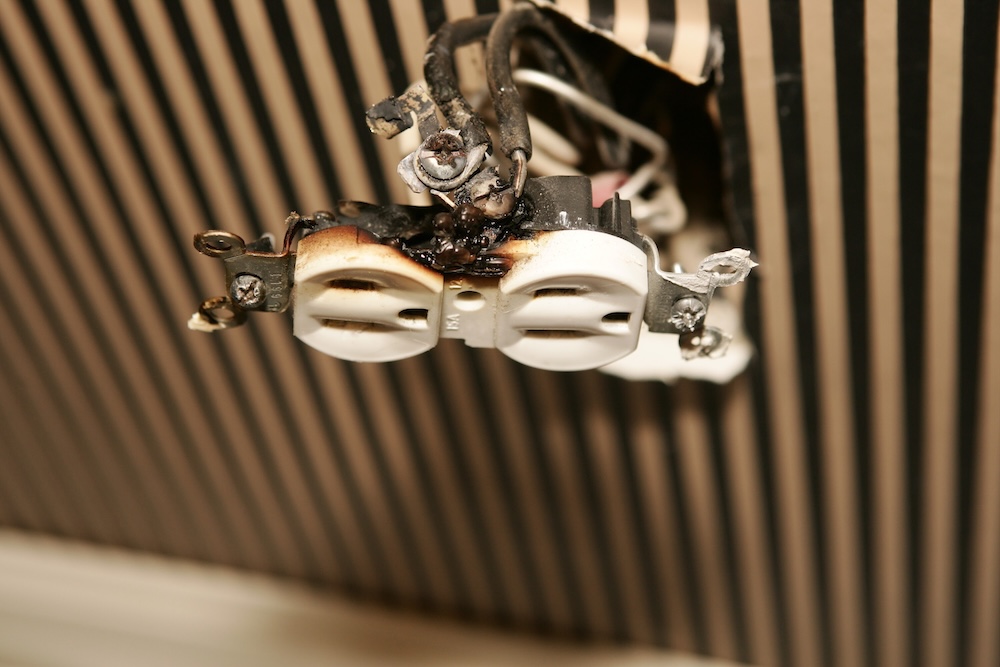
Ground Fault Circuit Interrupter (GFCI) outlets are life-saving devices that protect you from severe electrical shock. They are necessary in areas where electricity and water may come into contact, such as kitchens, bathrooms, laundry rooms, garages, and outdoor receptacles.
A GFCI outlet constantly monitors the flow of electricity. If it detects an imbalance, indicating a potential ground fault, it rapidly shuts off power to the outlet to prevent injury.
Testing them is simple, and you should do it monthly. Just press the “TEST” button on the outlet, which should cause the “RESET” button to pop out and cut power. Then, press the “RESET” button to restore the connection. If the outlet doesn’t trip or reset properly, a professional electrician will need to replace it.
2. Inspect Your Electrical Panel for Warning Signs
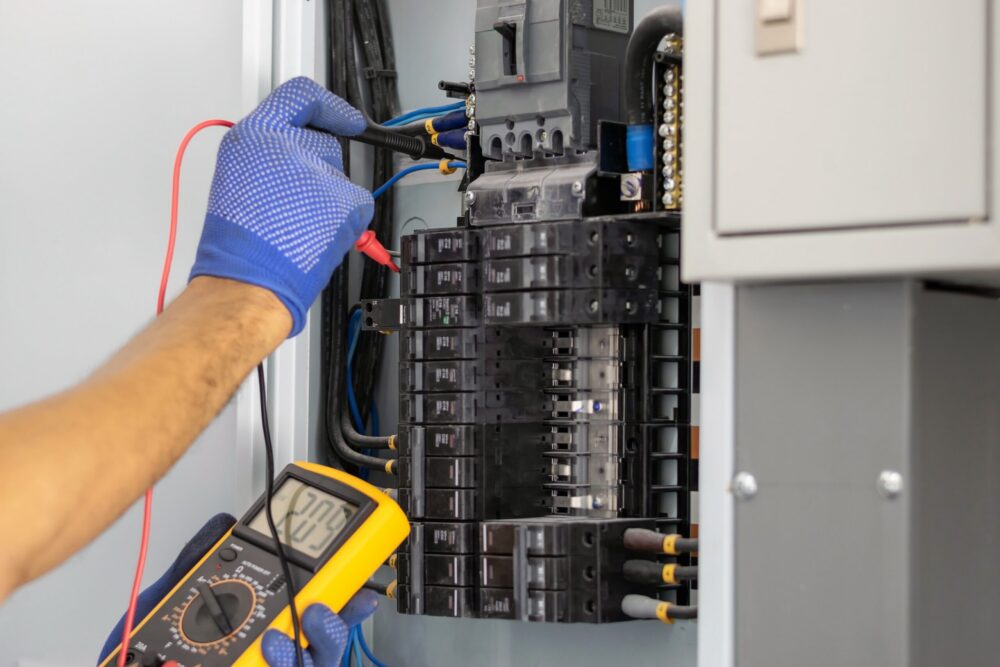
Your electrical panel is the heart of your home’s electrical system, distributing power to all the circuits. While you should never open the panel or touch any of the internal components yourself, you can perform a safe visual inspection of the exterior and be aware of any performance issues in your home.
- Frequent tripping of circuit breakers
- Flickering or dimming lights, especially when a large appliance starts
- A faint burning odor or buzzing sounds coming from the panel
- Signs of rust or moisture on or around the panel box
- Breakers that feel warm to the touch
Any of these signs could indicate an overloaded circuit, a faulty breaker, or loose wiring. These issues require immediate attention from an experienced electrician to prevent a fire hazard or system failure.
3. Prepare for Seasonal Power Outages
Fall and winter storms in our area can easily lead to power outages. Preparing ahead of time makes sure you aren’t in the dark and cold. This involves checking your generator and evaluating your surge protection.
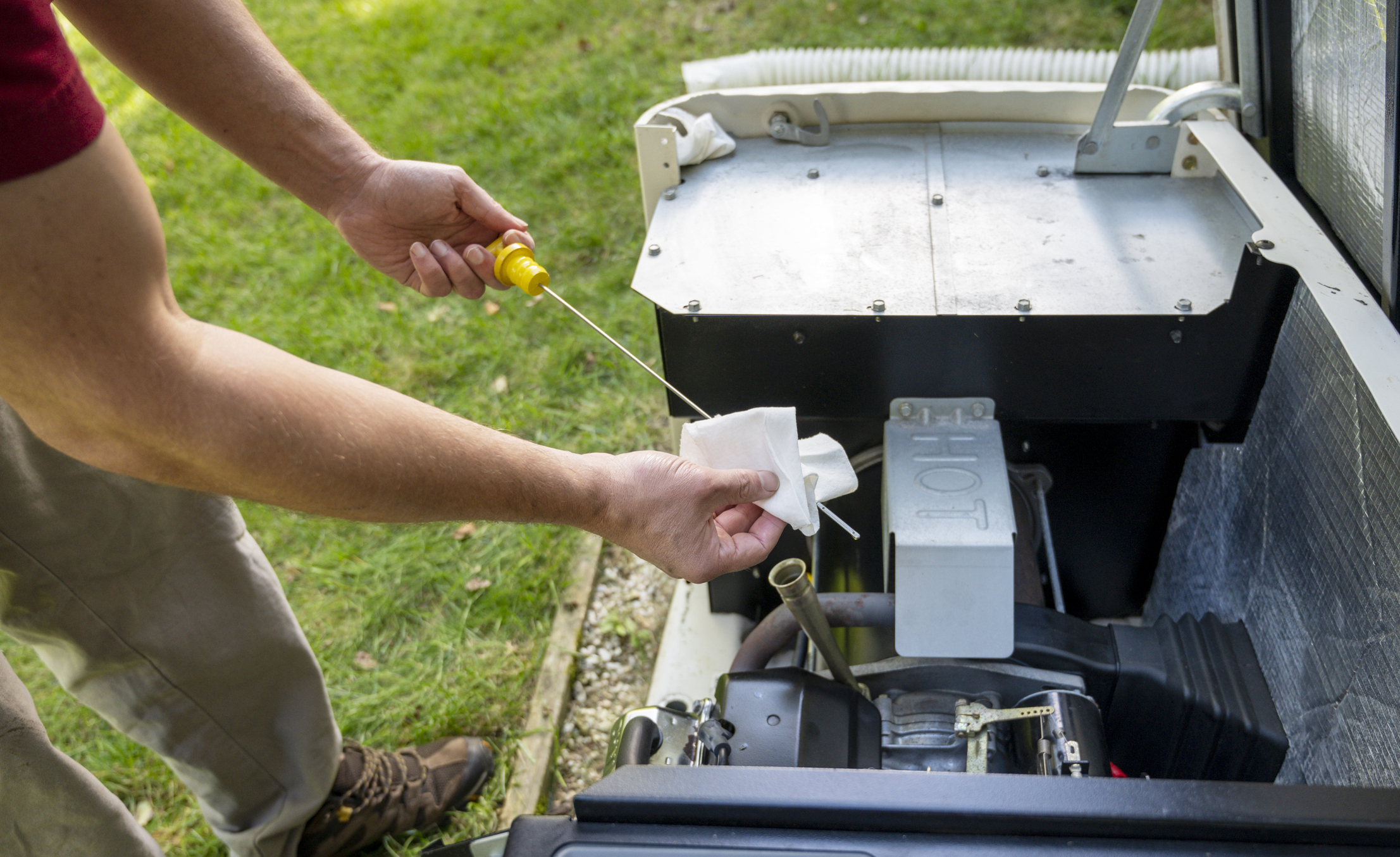
If you have a standby generator, now is the time to schedule a professional tune-up to make sure it’s ready to perform when needed. For portable generators, review safety protocols: always operate them outdoors, at least 20 feet away from doors and windows, and use heavy-duty extension cords rated for outdoor use. Also, be sure to have a safe supply of fresh fuel on hand.
Power surges are also a major concern, often occurring when utility power returns after an outage. These sudden voltage spikes can destroy sensitive electronics. While plug-in surge protectors offer some defense, a whole-home surge protection system at your panel provides a much more comprehensive shield for everything in your house, from your HVAC system to your computers and televisions.
4. Check Your Exterior Wiring and Lighting
With shorter days approaching, your outdoor lighting will be working harder to keep your property safe and accessible. Take a walk around your home to inspect all exterior electrical components. Look for any frayed or exposed wires on light fixtures, landscape lighting, or outlets. Make sure all junction boxes and outlet covers are secure and weatherproof.
Replace any burned-out bulbs in your porch lights, pathway lighting, and motion-sensor security lights. If you notice fixtures that are flickering, holding water, or have damaged casings, it’s best to professionally repair or replace them. Proper wiring and lighting are essential for preventing accidents and deterring potential intruders during the darker months.
5. Practice Safe Space Heater Usage
Space heaters are a popular way to add supplemental warmth to chilly rooms, but they are also a leading cause of home fires if you don’t use them properly. When you pull yours out of storage, inspect the cord for cracks, fraying, or other damage. If you notice a damaged cord, do not use the heater.
Always plug a space heater directly into a wall outlet. Never use an extension cord or power strip, as they can overheat and cause a fire. Maintain at least 3 feet of clear space around the heater from anything flammable like curtains, furniture, or blankets. Lastly, never leave a space heater running unattended or while you sleep.
When to Schedule a Professional Electrical Safety Inspection
This checklist is a great starting point for seasonal preparedness, but it can’t replace the expertise of a licensed electrician. If you’re in an older home, notice any of the warning signs mentioned above, or simply want complete peace of mind, fall is the ideal time to schedule a professional evaluation.
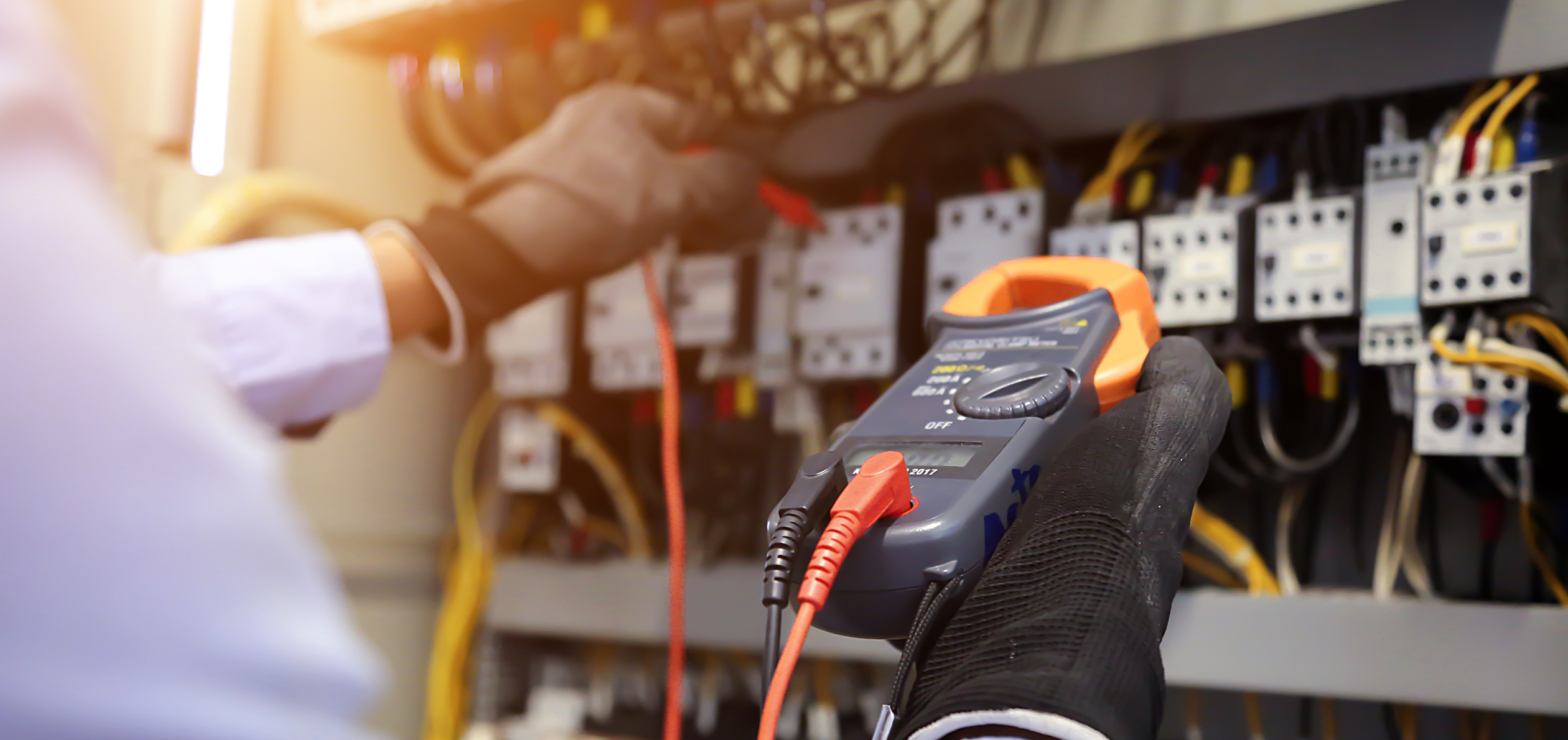
A comprehensive electrical safety inspection goes much deeper than a visual check. Our expert electricians will test your circuitry, check wiring connections, verify proper grounding, inspect your panel’s integrity, and confirm your system is up to current safety codes. This service helps prepare your home so it can handle the electrical demands of winter safely and efficiently.
Trust Castro Electrical Services for a Safer Fall and Winter
By taking a few proactive steps this fall, you can significantly reduce the risk of electrical hazards in your home. From testing GFCIs to preparing for storms, this checklist helps you create a safer environment for your family. For any issues you uncover or for a comprehensive inspection, it’s always best to rely on a trusted professional.
If you need help with your fall electrical safety checklist in D.C., Maryland, or Northern Virginia, contact the licensed experts at Castro Electrical Services today for a professional inspection or repair services.