Spring Electrical Safety Checklist: 10 Things Every Homeowner Should Inspect
As winter fades and spring settles in, most homeowners start thinking about cleaning, repairs, and getting their homes ready for warmer weather. But one area that often gets overlooked is your home’s electrical system.
Cold temperatures, increased heating use, and winter storms can put stress on your wiring and electrical components. Spring is the perfect time to check for hidden issues before they turn into safety hazards or costly repairs.
This simple, homeowner-friendly checklist will help you spot common electrical problems and keep your home safe.
Test Your GFCI Outlets
Ground Fault Circuit Interrupter (GFCI) outlets are designed to protect you from electrical shock, especially in areas where water is present, like kitchens, bathrooms, garages, and outdoor spaces.
To test them:
- Press the “Test” button (power should shut off)
- Press “Reset” to restore power
If the outlet doesn’t respond properly, it may need to be replaced.
Inspect Outdoor Lighting Fixtures
Winter weather can be tough on outdoor lighting. Snow, ice, and moisture can damage fixtures or expose wiring.
Check for:
- Cracked or broken fixtures
- Flickering lights
- Rust or corrosion
- Loose connections
Proper outdoor lighting not only improves curb appeal but it also keeps your home safe and secure.
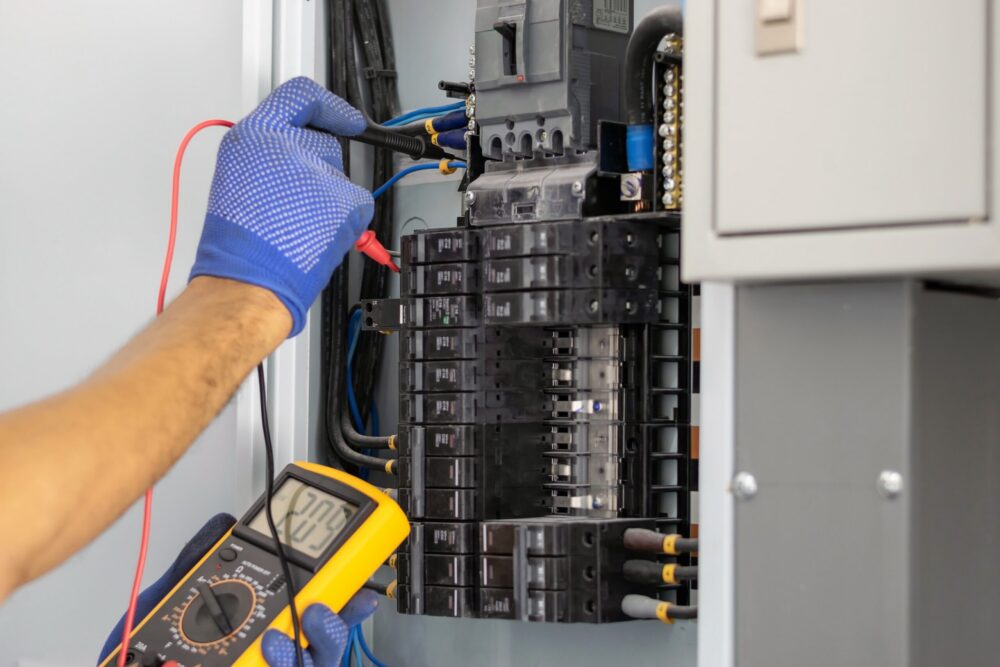
Check Your Electrical Panel
Your breaker panel is the heart of your home’s electrical system. After months of heavy winter usage, it’s important to make sure everything is working properly.
Look for:
- Frequently tripped breakers
- Burning smells
- Buzzing sounds
- Warm panel surfaces
If anything seems off, it’s best to have a professional take a look. If you’re unsure about your panel’s condition, consider scheduling an inspection.
Watch for Overloaded Circuits
During winter, many homes rely heavily on space heaters, electric blankets, and other high-power devices. This can lead to overloaded circuits.
Signs include:
- Flickering or dimming lights
- Warm outlets or switches
- Breakers that trip often
If you notice these issues, your system may need upgrades or load balancing.
Inspect Outdoor Electrical Outlets
Spring rain makes outdoor outlets especially vulnerable.
Check that:
- Outlet covers are intact and weatherproof
- There’s no visible water damage
- GFCI protection is working properly
Damaged outdoor outlets can pose serious safety risks and should be addressed right away.
Examine Extension Cords and Power Strips
Extension cords are often overused during winter months and sometimes forgotten afterward.
Inspect for:
- Frayed or cracked wires
- Loose plugs
- Overloaded power strips
If cords show any signs of damage, replace them immediately. Also, avoid using extension cords as permanent solutions.
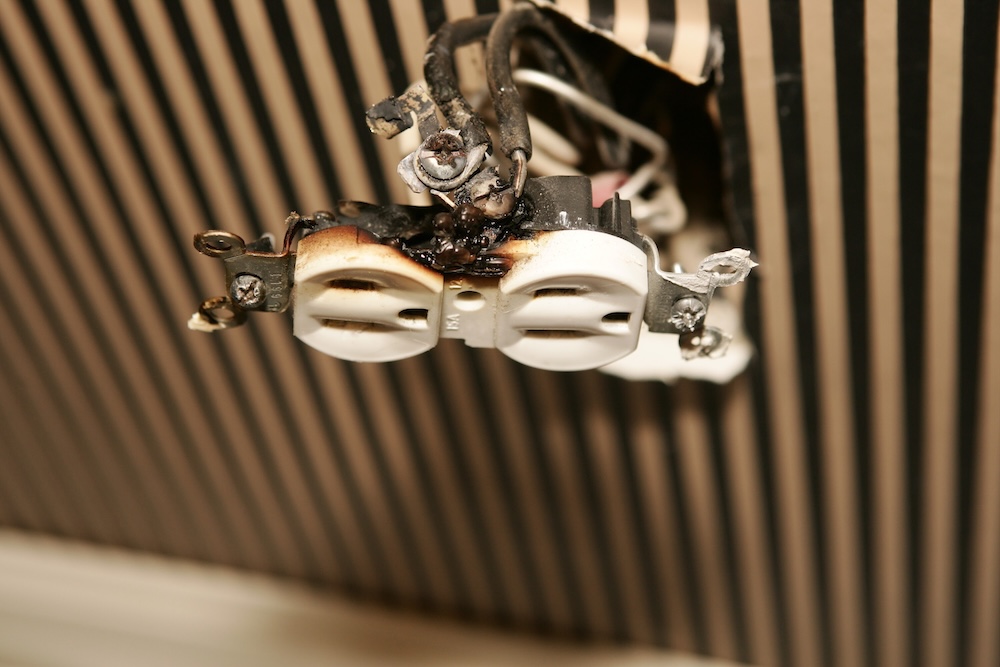
Look for Loose or Damaged Wiring Indoors
Electrical wear and tear isn’t always obvious, but there are a few warning signs homeowners can watch for.
Pay attention to:
- Loose outlets or switches
- Buzzing sounds
- Discolored wall plates
- Burning odors
These could indicate underlying wiring problems that need professional attention.
Prepare for Spring Storms
Spring often brings thunderstorms, lightning, and power surges, all of which can damage your home’s electrical system.
To stay protected:
- Install surge protectors
- Unplug sensitive electronics during storms
- Consider whole-home surge protection
Test Smoke and Carbon Monoxide Detectors
Your safety devices rely on electricity (and backup batteries), so spring is a great time to test them.
Make sure to:
- Test each unit
- Replace batteries if needed
- Check expiration dates
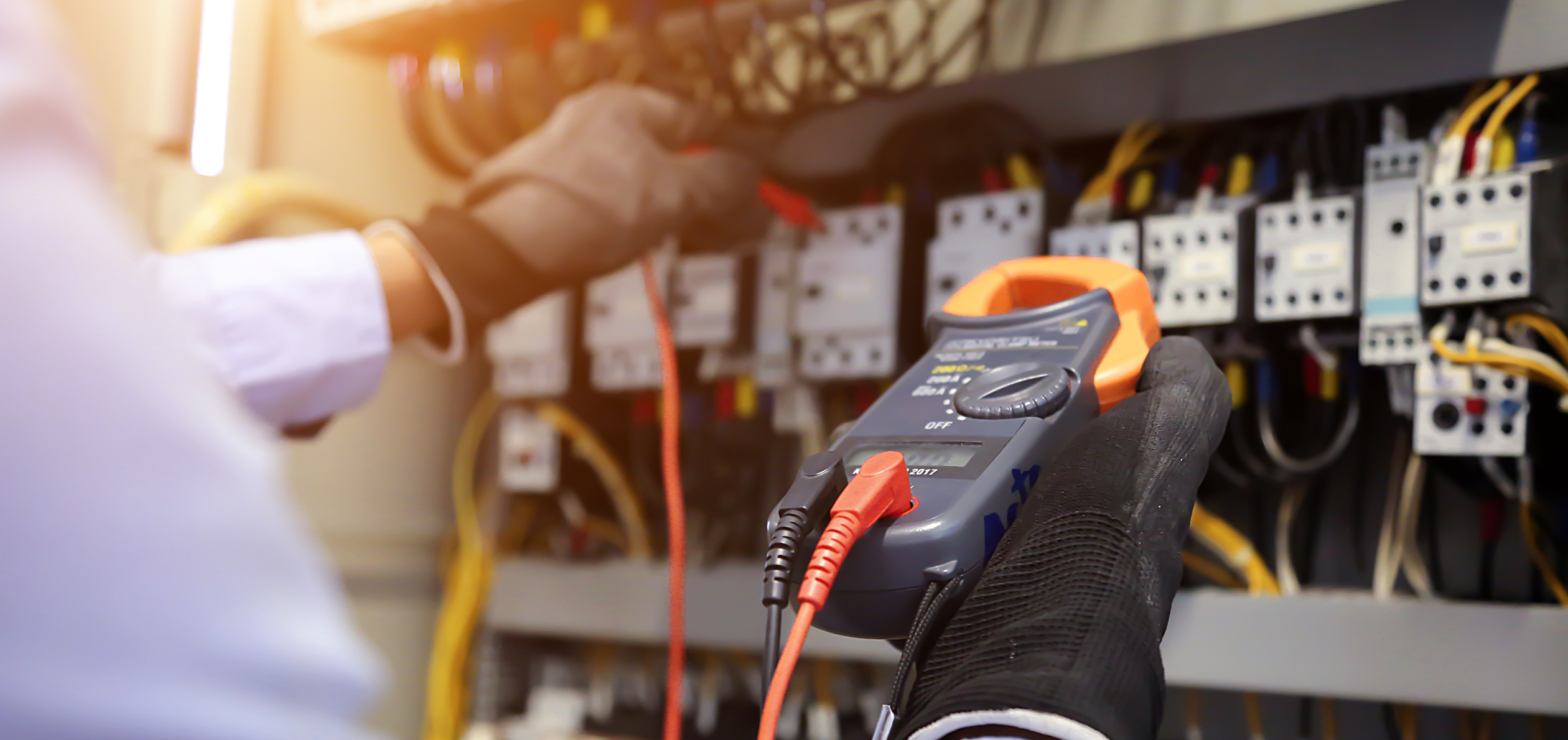
Schedule a Professional Electrical Inspection
Even if everything looks fine, a professional inspection can catch issues you might miss.
An experienced electrician can:
- Identify hidden hazards
- Ensure your system meets current safety codes
- Recommend upgrades for efficiency and safety
Castro Electrical Services has been helping homeowners maintain safe and reliable electrical systems for years.
When Should You Call a Professional?
While many of these checks are simple and homeowner-friendly, there are times when it’s safest to bring in an expert. If you’re dealing with persistent electrical issues, noticing burning smells or sparks, experiencing frequent breaker trips, or finding that outlets and switches aren’t working properly, it’s a clear sign that something deeper may be wrong. Electrical systems can be complex, and trying to fix certain problems without the right expertise can create serious safety risks. When in doubt, it’s always better to have a trained professional take a closer look and ensure everything is functioning safely and up to code.
Next Step Toward a Safer Home
Spring is all about fresh starts, and that includes making sure your home’s electrical system is safe and ready for the months ahead. Taking a little time now to go through a basic checklist can help you catch small issues early, improve overall safety, and avoid costly repairs down the line. And if anything doesn’t seem quite right, it’s always worth having it checked out. A simple inspection today can save you from much bigger problems tomorrow and give you peace of mind as you head into the warmer seasons.